Philosophy 101
Big questions, timeless thinkers · 8 titles
Meditations
Marcus Aurelius · 14 min
A good life comes from controlling your own judgments and character while accepting everything outside your control.
The Republic
Plato · 14 min
Through an imagined ideal city that mirrors the human soul, Plato argues that justice is inner harmony among a person's parts, and that the good life belongs to those ruled by wisdom rather than appetite.
Nicomachean Ethics
Aristotle · 14 min
Aristotle argues that the point of a human life is happiness understood as flourishing, which we reach by building good character through habit, aiming for the mean between extremes, and using reason well.
The Prince
Niccolò Machiavelli · 14 min
Machiavelli sets aside how leaders ought to behave and asks what actually works, arguing that a ruler survives by seeing people as they really are, pairing strength with cunning, preparing for luck, and above all never letting himself be hated.
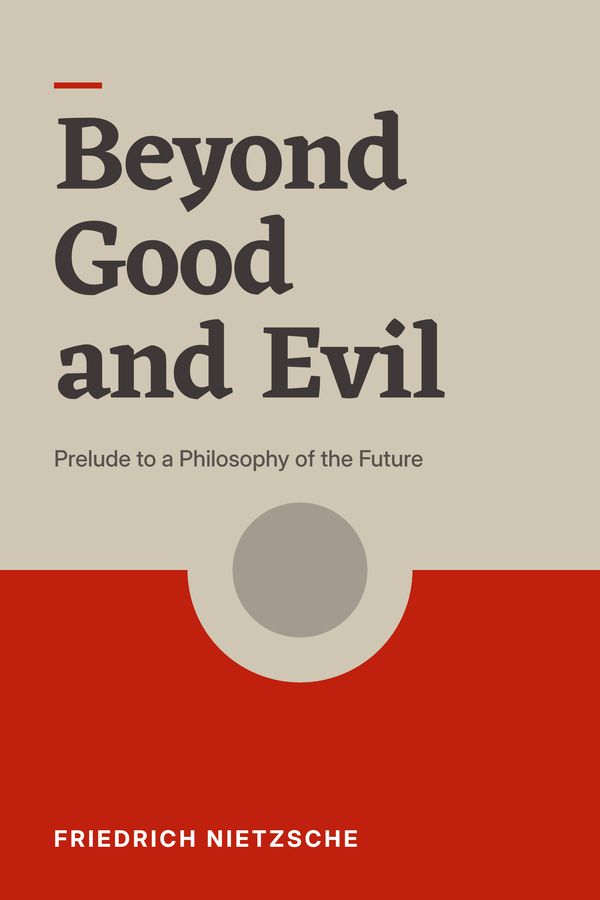
Beyond Good and Evil
Friedrich Nietzsche · 14 min
Nietzsche argues that our ideas of good and evil were invented by humans to serve their needs, not handed down by God, and that free, honest thinkers must question even their deepest values and create their own.
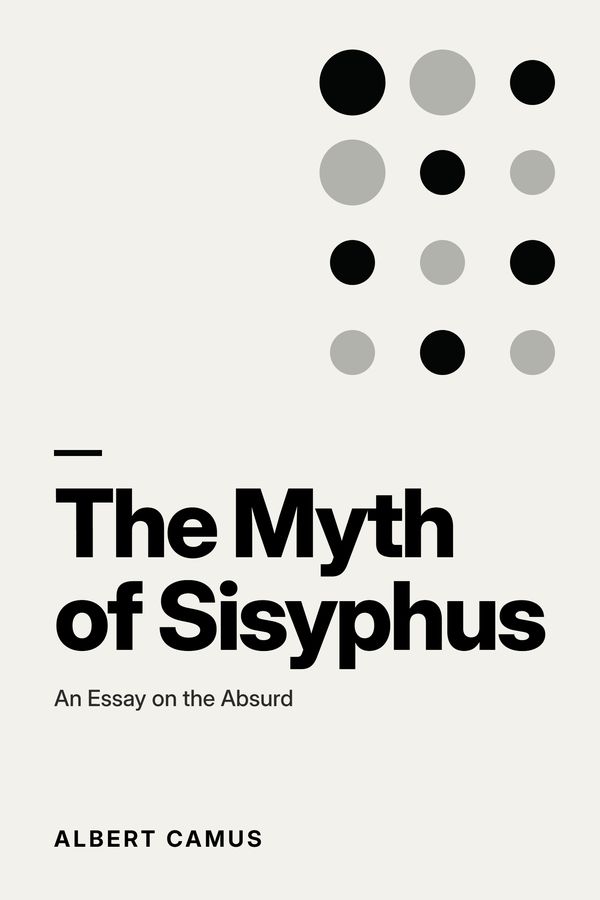
The Myth of Sisyphus
Albert Camus · 14 min
Camus argues that even if life has no built-in meaning, you should not escape into false hope or suicide but instead live fully and awake, embracing the absurd struggle the way we must imagine Sisyphus happy pushing his rock.
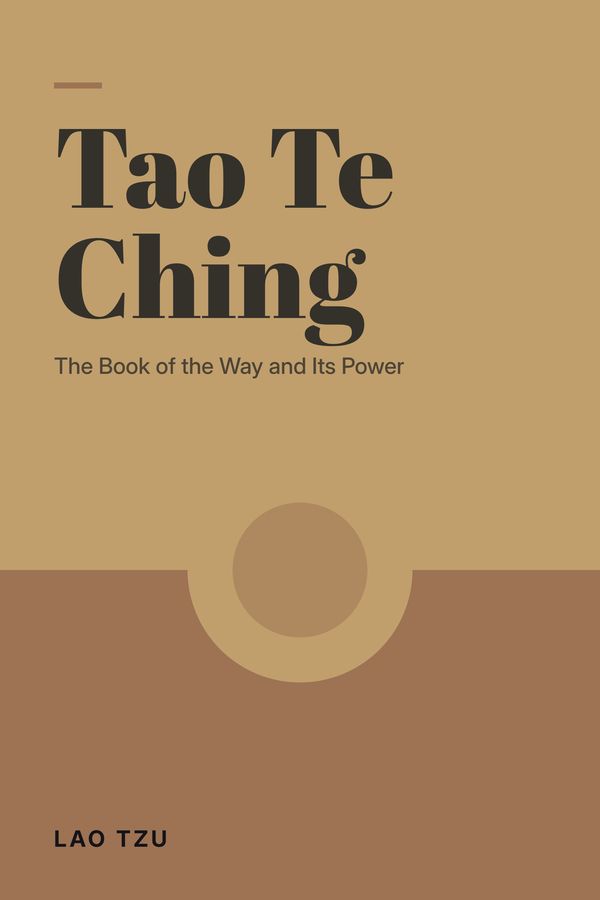
Tao Te Ching
Lao Tzu · 13 min
Living well means aligning with the natural flow of things: acting without forcing, staying soft and simple, and knowing when you already have enough.
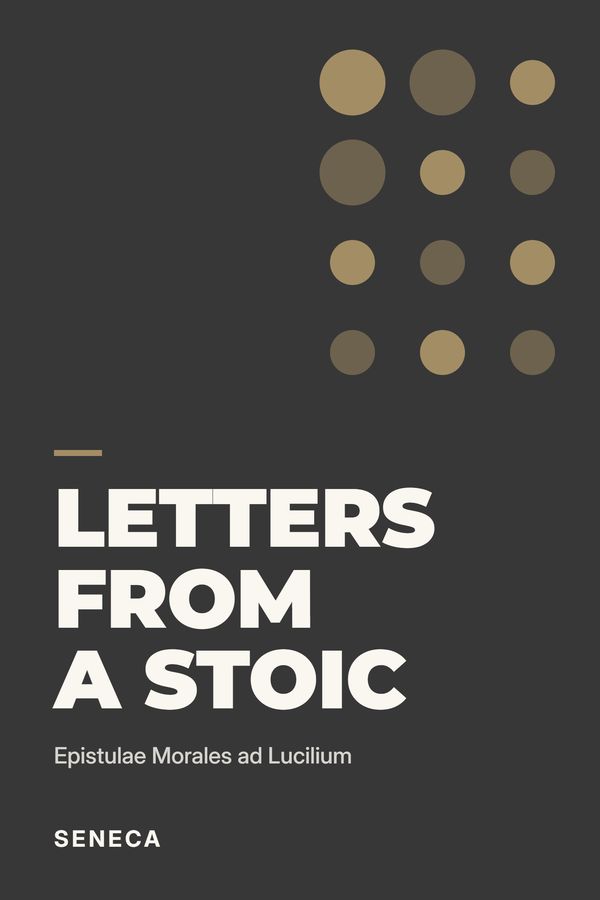
Letters from a Stoic
Seneca · 14 min
A calm, free mind comes from training philosophy into daily habit: guarding your time, letting go of what you cannot control, and making peace with loss and death before they arrive.
Coming soon to the App Store and Google Play
DibsDabs for iPhone and Android is almost ready. Want to know the moment it's out? Send us a note and we'll tell you.